
Open your Photos app on Mac and then follow these steps to delete an album. 1) Select the album that you want to remove from the left side. 2) Either right-click or hold Control and click the album. 3) Choose Delete Album from the context menu. My Photos app (on OS X) has very many (well over a hundred) albums sitting inside an iPhoto Events folder. Most of the albums have are named by a day, e.g. In order to delete an album I need to right click, select delete album and then say YES, when I'm asked when I'm sure. It’s ok to get rid of smart and “dumb” albums alike. In the main Photos view, select the image or video and choose Image Delete Photo/Delete Video or press the Delete key on your keyboard. In other views, those options aren’t available. Instead, right-click an image.
How to recover deleted photos on Mac?
Clicked 'delete' to remove the photos on Mac and instantly regretted it? Fortunately, it is easy to recover the deleted photos in macOS if you realize the mistake immediately. This tutorial is going to show you how to recover photos on Mac.
Part 1. How to recover deleted Photos on Mac via Photos app
If your Mac computer is running OS X 10.10.3 and later, you may have known that the iPhoto app has been taken the place by Photos. Photos app enables you to import iPhone/iPad/iPod photos and manage them on Mac with ease. However, Mac Photos app never offers a trash folder that stores the photos you deleted. Although there is no such trash folder, you can still find the recently deleted photos in Photos app. Once you delete a photo from the Photos on Mac, you have a 30-day grace period before the photo will be permanently deleted.. If you regret deleting photos and change your mind during the 30 days, you can navigate to the Recently Deleted album and recover deleted photos on Mac. Things become a little complicated if you've enabled iCloud Photo Library. iCloud Photo Library automatically import all the photos from your iPhone and iPad. If you delete a photo from Mac device, deletions sync across all iOS devices. When you delete a photo from iCloud Photo Library on Mac, there will be a warning message, 'Delete from all your devices?' If you delete an image from your iPhone or iPad, you'll never get such a warning.
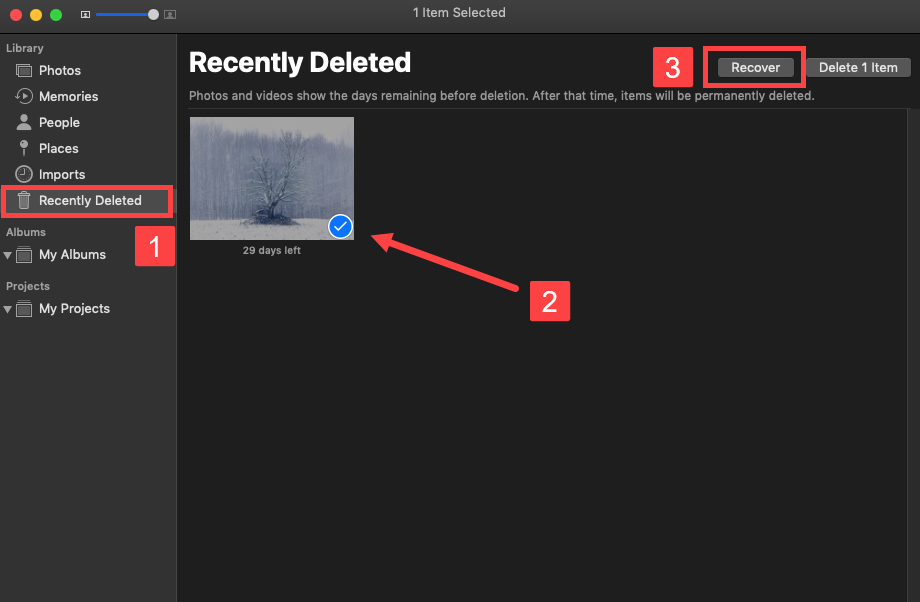
Step 1Open Photos app on your Mac computer. Click File from the top menu, and choose Show Recently Deleted.
Step 2You'll see all photos and videos you ever deleted recently with the days they left before permanent deletion (up to 30 days). Choose the deleted photos you want to get back and click Recover at the top-right corner.
Part 2. How to recover deleted photos on Mac with iPhoto
If you're still using iPhoto (you never upgrade iPhoto to Photos app and you've deleted photos from iPhoto on Mac, the deleted images will be stored to the iPhoto Trash rather than the usual macOS Trash folder. Follow these steps to recover a deleted photo in iPhoto:
Step 1Open iPhoto and click on Trash in the Sidebar.
Step 2Press 'Control' key and click on the photo you want to recover on Mac and choose Put Back from the menu.
Step 3Click on Photos in the Sidebar to view the images.
Step 4The photo will soon be placed back in the iPhoto library.
Part 3. How to recover deleted photos on Mac with Mac Photo Recovery
To get back the deleted photos on Mac, you can also use a Mac photo recovery tool. And EaseUS Mac Data Recovery enables you to recover deleted photos and pictures from Mac running OS X 10.6/10.7/10.8/10.9. Never import new photos to Mac or you'll recover the deleted photos on Mac. If you eve use any Mac cleaner to delete photos or other data from Mac, you can use the recovery program to have a try.
Step 1Download and launch this Mac Photo Recovery on your Mac.
Step 2Select the file type you want to recover and choose the partition where your photos were stored, e.g. 'Graphics'. The program will automatically scan the selected partition and search the deleted photos for you.
Step 3The deleted photos will be displayed in the main window of this Mac photo recovery software. Then you can choose wanted photos and save them into a folder you prefer by clicking Recover button.
We mainly show you how to recover deleted photos on Mac through Photos app, iPhoto as well as one Mac Photo Recovery software. If you have any better idea to retrieve deleted photos from Mac, welcome to drop us a message below.
Extended Reading: How to Recover Deleted Photos from iPhone on Mac
What do you think of this post?
Excellent
Rating: 4.5 / 5 (based on 100 votes)
March 15, 2018 07:15 / Updated by Louisa White to MacBook
- How to Delete Photos from iPhone
This guide shows you how to delete all photos from iPhone and how to recover deleted photos if you remove photos from iPhone accidentally.
- How to Backup Photos from iPhone
How to backup photos from iPhone? This article will list useful solutions on iPhone photos backup.
- How to Recover Deleted Files from Mac
If you want to recover deleted files from Mac, you can read this article to undelete files on Mac OS freely from trash bin or using other Mac data recovery software.
With cameras so readily available, it’s easy to accumulate more photos than you know what to do with. You probably take dozens of pictures when you go out, meet up with friends, or go on vacation. And while taking photos is fun, organizing them is work. But it doesn't have to be that way. In this article, we’ll show you how to organize pictures on your Mac with the Photos app and without it. Here are the things you’ll be reading about:
- How to merge your photo libraries in the Photos app
- How to group pictures using Smart Albums in Photos
- Tricks for keeping your Photos library organized
- How to organize pictures outside of the Photos app
Tips to help organize photos on a Mac
1. Consolidate an all your photos in the Photos app for Mac
When macOS Yosemite was released in 2014, the Photos app finally came to Macs, replacing outdated iPhoto. Now with Photos, you’ve got more organization tools, including the ability to switch between libraries and merge them. To start with, let’s get all of your photos from different places onto your Mac. Here’s what you should do:
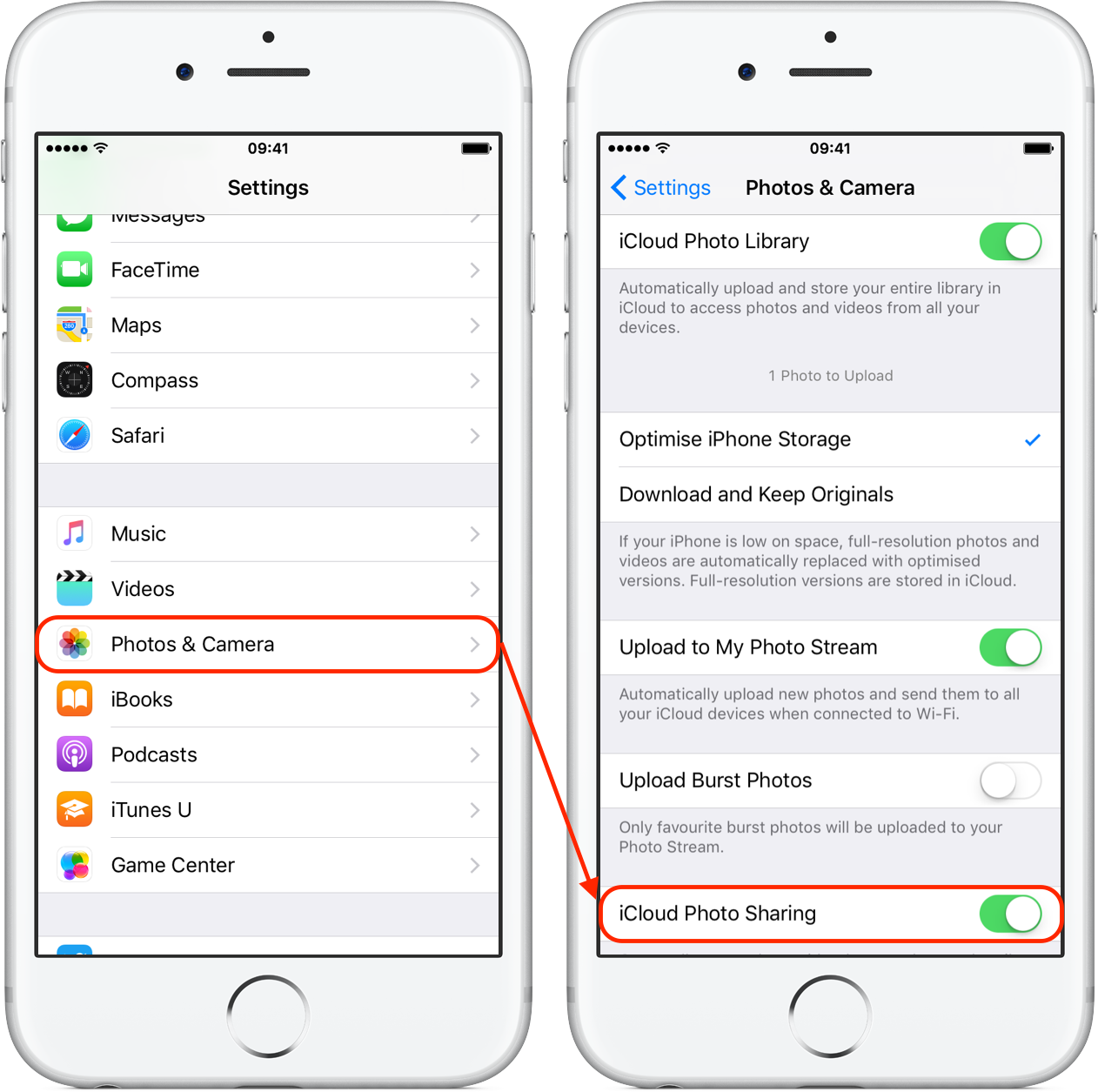
- Use iCloud Photo Library to ensure that everything you take on an iOS device is synced automatically with your Mac. Alternatively, AirDrop photos from your iPhone and/or iPad to your Mac.
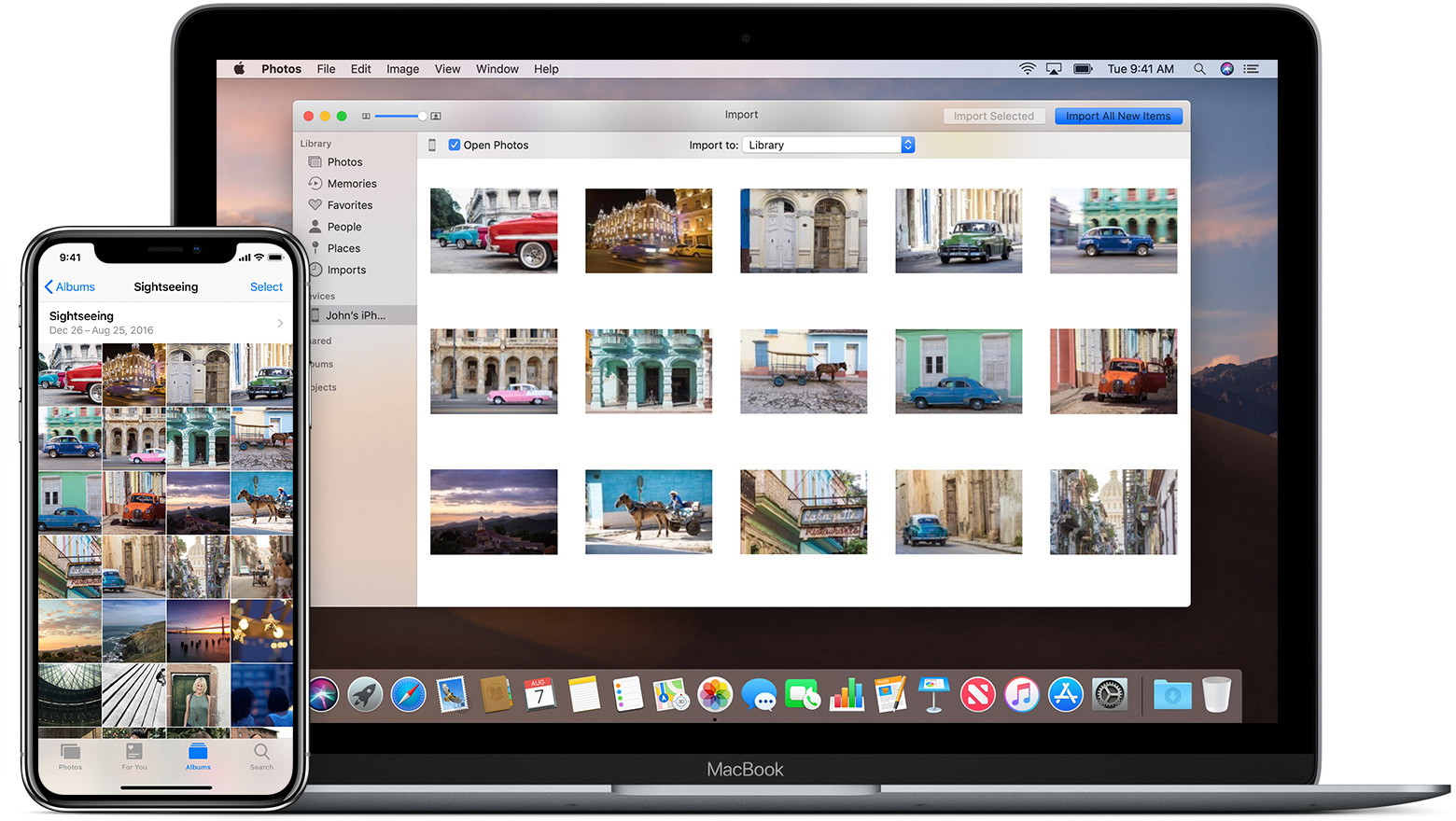
- Import photos from external drives to the Photos app on your Mac
- Import photos from your camera
- If you have several libraries in the Photos app, merge them into one
Once everything is on your Mac and in one library, it’s easier to get organized. Let’s take a look at a few questions most people have when they juggle several Photos libraries.
How to get rid of duplicate Photos?
The next thing is to get rid of the duplicate and similar-looking pictures that are wasting space on your hard drive.Thankfully, the app Gemini 2 can scan your entire hard drive to quickly find and get rid of them. After you’ve downloaded and installed Gemini 2, you can follow these steps to declutter your photos:
- Download Gemini 2 for free, install and launch the app.
- Click + > Pictures Folder.
- Then, click Scan for Duplicates and let it go.
- Choose either Review Results or Smart Cleanup.
Review Results does exactly what it promises and will let you see your duplicate files grouped together, making it that much easier to decide which version you want to delete. While Smart Cleanup will get rid of your duplicates with just one click.
How do I switch libraries in Photos?
Libraries in Photos can come from a few different sources, including external devices such as cameras and iPhones. If you were using iPhoto prior to Photos, each device and source will have a Systems Photo Library. You can switch between them, and here is how you do that:
- Go to Launchpad
- Hold down the Option key, and then double-click on the Photos app to see the libraries you have on this device
- Now you can move easily from one photo library to another and open the one you want by double-clicking it
How to create a new Photo library on Mac?
Creating a new library is easy. If Photos is open, you’ll need to quit and reopen to create a new library:
- Hold down the Option key
- Double-click on the Photos apps
- Click the Create New button, then choose Library
- Give your new library a name and click OK
How to merge two or more Photos libraries?
At present, there is no native macOS tool for merging libraries in Photos. Essentially, what you’ll be doing is moving all pics to one new library. So, create one as described above, and then follow these steps:
- Launch Photos holding down the Option key and select one the libraries you want to merge
- In the menu bar, click Edit > Select All
- Again in the menu bar, select File > Export. Now you’ve got the following options:
- Export Unmodified Original. This will export every image in these libraries, excluding any edits or changes made to them.
- Export [number of photos you want to export] Photos, which gives you the option to pick a format and select Full Size. That will export your photos as they are, with any edits you’ve made, in TIFF, PNG, or JPEG formats.
- Pick where they’re going (this could be a folder on your Mac or a connected external drive, for example)
- Repeat these steps for the other libraries you want merged
- Now close Photos and re-open using Option to select the library you are merging these photos into
- Either use File > Import or drag the exported photos into the library
How do I delete a Photo library from my Mac?

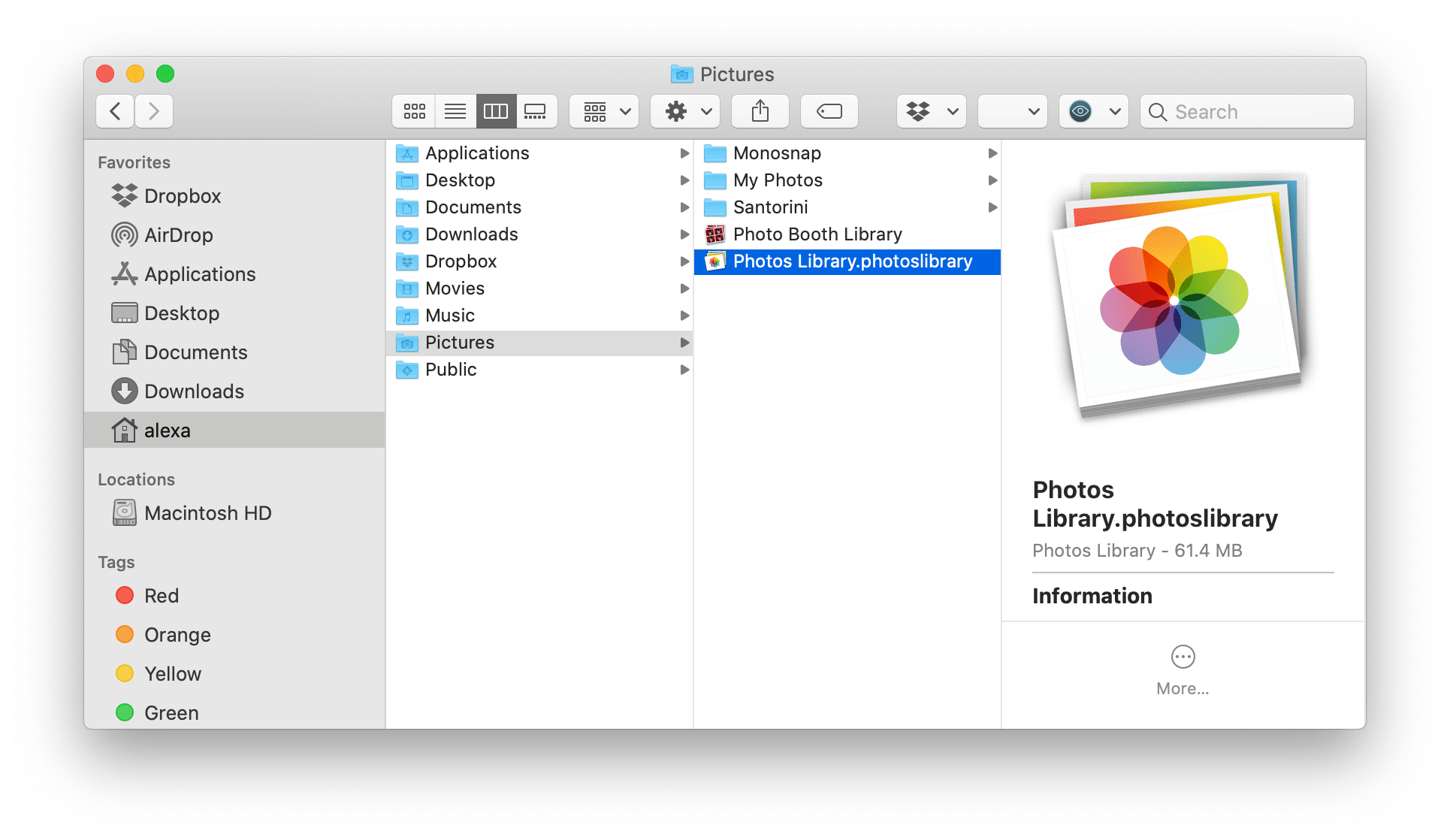
If you want to delete a library, it’s super easy. You just navigate to the Pictures folder on your Mac, locate the library you want gone, and move it to the Trash. However, you’ll want to make sure you’ve got all the images and videos out of it first. Export them like we described in the previous section, and then trash the library.
2. Use Smart Albums in Photos to organize your pics
After merging your libraries and clearing out duplicates and similar images, take photo organizing one step further and group the remaining pics with Smart Albums. Let’s take a look at how to use this fantastic feature of the Photos app to your advantage.
What is a Smart Album in Photos?
Smart Albums are a way of grouping images by the parameters you set. Maybe you’ll want an album to contain photos taken last Christmas, or you’d rather group all the pics of your kid together. All that and more can be done with a Smart Album. As is the case with a regular Photos album, you can edit and delete it.
How to make a new Smart Album in Photos?
Creating a new Smart Album is simple:
- Launch Photos
- Click the + button next to My Albums in the sidebar
- Select Smart Album<
- Give your Smart Album a name
- Choose the Parameters, e.g. “kids,” “days out,” “Holiday 2018.” You can modify these at any time.
- Click OK to create
By developing a system (e.g., photos are grouped into albums by date taken) and using Smart Albums, you’ll make sure your photo library is easy to navigate, even if it contains thousands of photos from 2001 and up until now.
3. Other tricks for keeping your Photos library organized
Now that you’ve got your libraries consolidated and you’re using Smart Folders, here are a couple more tricks to help keep your pictures organized.
How to favorite Photos?
The more pictures you have in your Photos app, the harder it can be to find the picture you’re looking for. A simple way to view only the photos that are important to you is to favorite them. You can favorite an image in the Photos app either by:
- Selecting a picture and clicking the heart button in the toolbar.
- Hover your mouse over an image and click the heart in the bottom left corner.
Then, you can view all the pictures you’ve favorited by clicking Favorites in the left sidebar.
How to find faces on Photos?
Photos also has a facial recognition feature, which is great when you’re looking for pictures of a specific person. But it’s definitely not without its flaws. It will identify faces and make suggestions, but it requires you to put in some time to either verify the people in a picture or label them yourself. To view your pictures organized by faces:
- Click People in the sidebar.
- Select one of the people to view all of their photos.
How to create a shared album?
Shared albums are a collaborative way to share photos with your family friends. Everyone can drop their pictures from a specific event or place into one place. Follow these steps to create a Share album:
- In the left sidebar of Photos, hover over Shared Albums.
- Click the +.
- Name your album and invite people to collaborate.
- Click Create.
- Click All Photos in the sidebar.
- Drag and drop the pictures you want to add to that album.
If you forget to add someone when you’re creating the album, don’t worry. You can always add people to an album by clicking the button that looks like a person in a circle in the toolbar.
How to navigate through years and months?
Probably the most common way to view your photos is by the date they were taken. In the toolbar at the top, you can select to group your pictures by year, month, or even by date.
Even if you’re viewing your pictures in the All Photos tab, you’re still scrolling through them by date. You can use the scale slider to zoom out and see more photos from a time period or zoom in to see a specific period.
4. How to organize photos outside the Photos app
Of course, you don’t need the Photos app to organize your pictures. You can manage them within folders as you do with your documents or downloads. For some, this way maybe a little more difficult because you’re not able to see all of your pics simultaneously. But this does make it easier to transfer your photos or store them on an external hard drive.
Tip:
When you’re not storing your pictures in the Photos app, it does make it harder to spot duplicates, though. So you should use an app like Gemini 2 and periodically scan for duplicate or similar-looking photos.
The app will scan your hard drive to show you copies of the same picture that are just wasting space. You can get rid of your duplicates with one click of the Smart Cleanup button or you can review the files Gemini 2 finds to decide which copies you want to delete. And the best part is you can download Gemini 2 and try it for free!
Delete Photo Library From Mac
How to find all photos on Mac?
Apple Photos Delete Albums
If you have pictures everywhere on your computer and you’re wondering how to find the photo files on your Mac, the easiest way is with Smart Folders in Finder. Setting up a Smart Folder will allow you to see all of your pictures in one Finder window, regardless of where they’re actually stored. To set up a Smart Folder for your pictures:
- In a new Finder window, click File > New Smart Folder.
- Click “This Mac” and then click the + in the right corner.
- From the drop-down menus, change Name to Kind and Any to Image.
- If you want to save the Smart Folder so you can come back to it, click Save and then name the folder.
But the best way to organize your photos on a Mac is in a detailed folder structure, typically by date of when you took the pictures. And once you have a Smart Folder where you can find and see all of your photos in one place, it makes it a little bit easier to sort and organize them into easy-to-navigate folders.
How to view pictures on Mac?
Viewing pictures on a Mac without Photos is easy, but can get tedious really quickly. You can use Preview to open and view your pictures. The major drawback to doing this is you first have to find the photo file(s) in Finder and then double-click to open them with Preview.
Delete Photos From Mac Computer
That’s it, hope this short guide helps you cope with your photo overload. And remember: the best way to organize photos on your Mac is to keep your library lean and manageable — free from clutter and useless copies. Gemini 2 will gladly help with that.
Mac Delete Photo Album
These might also interest you: